Home Designer: A Festive Typeface for Seasonal Projects
There are typefaces that simply do their job, and then there are typefaces that set a mood. Home Designer belongs firmly in the latter category. This is a font that doesn't just spell out words; it whispers of cozy evenings, twinkling lights, and the nostalgic magic of the holiday season. For designers, crafters, and business owners, it represents a specific kind of creative asset—a tool for injecting immediate warmth and festive personality into a project. Understanding its strengths and ideal applications is key to using it effectively without overwhelming your audience.
Visual Character and Festive Flair
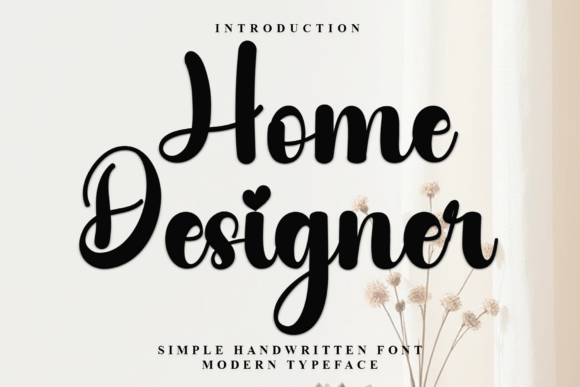
At its core, Home Designer is a display font with a strong decorative personality. It likely features elements reminiscent of hand-lettered script, with flowing connections, slight irregularities, and whimsical swashes or ornaments integrated into the letterforms. Think of the elegant curves of a script font combined with the charming imperfections of a handwritten font. The overall effect is one of joyful celebration, making it a natural fit for projects that need to feel personal, merry, and visually engaging. Its strength lies in its ability to convey a sense of occasion and care, suggesting that thought and artistry have been applied.
Because of its decorative nature, Home Designer functions best as an accent. It’s not a workhorse for body text. Instead, it shines as a headline font, a logo accent, or for pulling out key phrases. Its visual hierarchy is immediate and powerful, drawing the eye directly to the words it shapes. This makes it an excellent choice for creating brand recognition in seasonal campaigns, where a quick, emotional connection is paramount. However, this same flair demands careful pairing with more neutral typefaces to maintain overall readability and professionalism.
Practical Applications Across Creative Projects
The true value of a creative font like Home Designer is measured by its versatility across real-world scenarios. For small business owners and marketers, it’s a secret weapon for seasonal marketing collateral. Imagine it on holiday sale banners, email newsletter headers, or social media graphics announcing a festive promotion. The font instantly communicates the theme, reducing the need for excessive imagery and creating a cohesive, cheerful brand identity for the season.
For designers and publishers, its applications are equally rich. In editorial design, it can add a festive touch to magazine covers, feature article titles, or cookbook layouts for holiday recipes. In packaging design, it’s perfect for product labels on seasonal goods, gift box typography, or boutique shopping bags. The font’s personality helps products stand out on a crowded shelf, telling a story of warmth and tradition before the customer even reads the product description.
On a more personal level, crafters and hobbyists will find Home Designer invaluable. It elevates DIY projects like greeting cards, gift tags, party invitations, and scrapbook layouts from homemade to thoughtfully crafted. For bloggers and content creators, it can brand a holiday series, style a Pinterest pin, or add flair to a printable download, enhancing audience engagement through a polished, thematic visual experience.
Integrating Home Designer into Your Design Workflow
Adopting any new premium font requires a strategic approach. First, consider your project’s core message and audience. Home Designer excels when the goal is to evoke nostalgia, joy, and a personal touch. It may be less suitable for a corporate financial report or a minimalist tech startup’s primary branding. Always evaluate if the font’s personality aligns with the project’s tone and the brand’s long-term brand identity.
Font pairing is critical. As a display font, Home Designer needs a partner that provides balance and readability. Pair it with a clean, sturdy sans serif font for body text or a classic serif font for a more traditional feel. The contrast allows the decorative font to shine without causing visual fatigue. Test your pairings at various sizes to ensure the hierarchy remains clear on both digital screens and printed materials.
Finally, leverage the font’s full potential. The fact that Home Designer is PUA encoded is a significant practical benefit. This means you can easily access all its special glyphs, ligatures, and decorative elements through your design software’s character map or OpenType features panel. These extras are not just ornaments; they are tools for adding unique flair to specific letters, creating custom monograms, or adding festive flourishes to the beginning and end of words. Before starting, review the font’s included styles and alternates to plan your typographic details. And, as with any commercial font, always verify the licensing terms to ensure it covers your intended use, whether for a client’s product packaging or your own digital shop.
When used with intention, Home Designer is more than just a set of letters. It’s a design asset that can transport your audience, build seasonal excitement, and add a layer of professional charm to your creative work. It’s a reminder that in design, the right typeface can do much of the storytelling for you.